
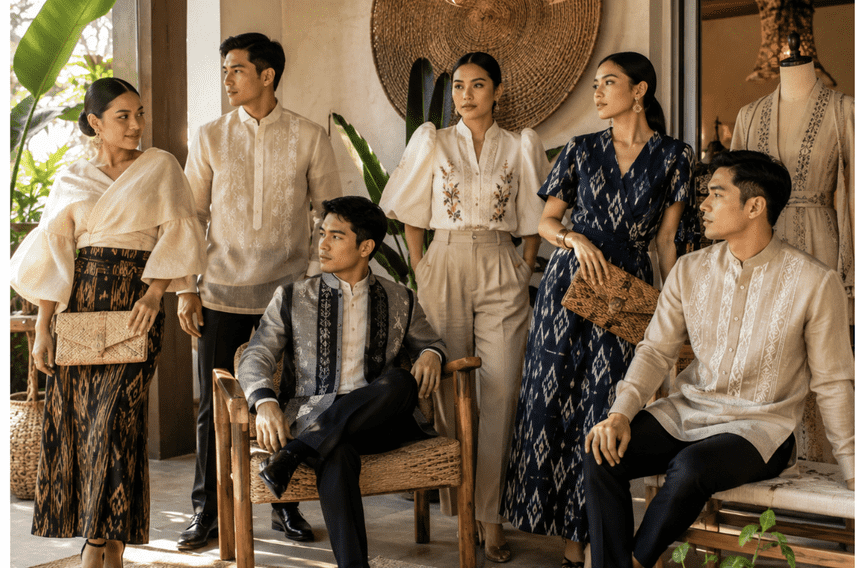
Filipino fashion has always been shaped by a mix of influences. From traditional textiles and indigenous craftsmanship to contemporary streetwear and international trends, the country’s style continues to evolve.
Today, modern Filipino style is not defined by one particular look. Instead, it is a reflection of how Filipinos express their identity through what they wear, create, and choose to support.
Style as a Form of Identity
For many Filipinos, clothing is more than a way to look good. It can be a way to communicate personality, culture, and individuality.
Some choose to wear contemporary interpretations of traditional Filipino clothing, while others incorporate local textiles, handmade accessories, or locally designed pieces into their everyday wardrobe.
This combination of old and new allows Filipino fashion to remain connected to heritage while adapting to modern lifestyles.
The Influence of Local Craftsmanship
The Philippines has a long tradition of textile production and craftsmanship. Different communities across the country have their own weaving techniques, materials, and artistic traditions.
Today, designers and creative entrepreneurs are finding new ways to introduce these traditions to modern consumers. Traditional fabrics and handmade products are being incorporated into contemporary clothing, bags, accessories, and home items.
This approach gives local craftsmanship a place in today’s market while helping preserve cultural knowledge.
The Rise of Filipino Independent Designers
Independent Filipino designers are also contributing to the country’s growing fashion identity. Many emerging creatives are creating collections that combine modern aesthetics with Filipino influences.
Rather than simply copying international trends, local designers are developing their own visual language. Their work often reflects the Philippines’ diverse culture, tropical environment, history, and everyday experiences.
Social media has also made it easier for independent designers and small fashion businesses to reach customers beyond their local communities.
Fashion Beyond the Runway
Modern Filipino style can be seen not only in fashion shows but also on city streets, social media platforms, workplaces, schools, and creative communities.
Young Filipinos are mixing thrifted clothing with locally made pieces, sneakers with traditional-inspired garments, and minimalist basics with statement accessories.
This makes Filipino style more accessible. It becomes less about following a specific trend and more about creating a look that feels authentic to the individual.
Supporting Local Style
Choosing locally made products can also be a way to support Filipino creatives and small businesses.
Whether it is a handmade accessory, a locally produced clothing line, or a piece created using traditional techniques, every purchase can help contribute to the creative economy.
Consumers are becoming more conscious of where their products come from, making local fashion an increasingly meaningful choice.
A Style That Continues to Evolve
The future of Filipino style will likely continue to combine tradition and innovation. As designers experiment with new materials, technologies, and creative ideas, Filipino fashion can continue to develop while remaining connected to its cultural roots.
Modern Filipino style is ultimately about finding a balance between heritage and individuality. It is about taking inspiration from the past while creating something that belongs to the present.
Final Thoughts
Modern Filipino style shows how fashion can become a powerful expression of identity. By combining local craftsmanship, cultural influences, and contemporary creativity, Filipinos are creating a style that is both personal and distinctly local. As independent designers and creative entrepreneurs continue to grow, the future of Filipino fashion looks increasingly diverse, innovative, and proudly rooted in culture.