
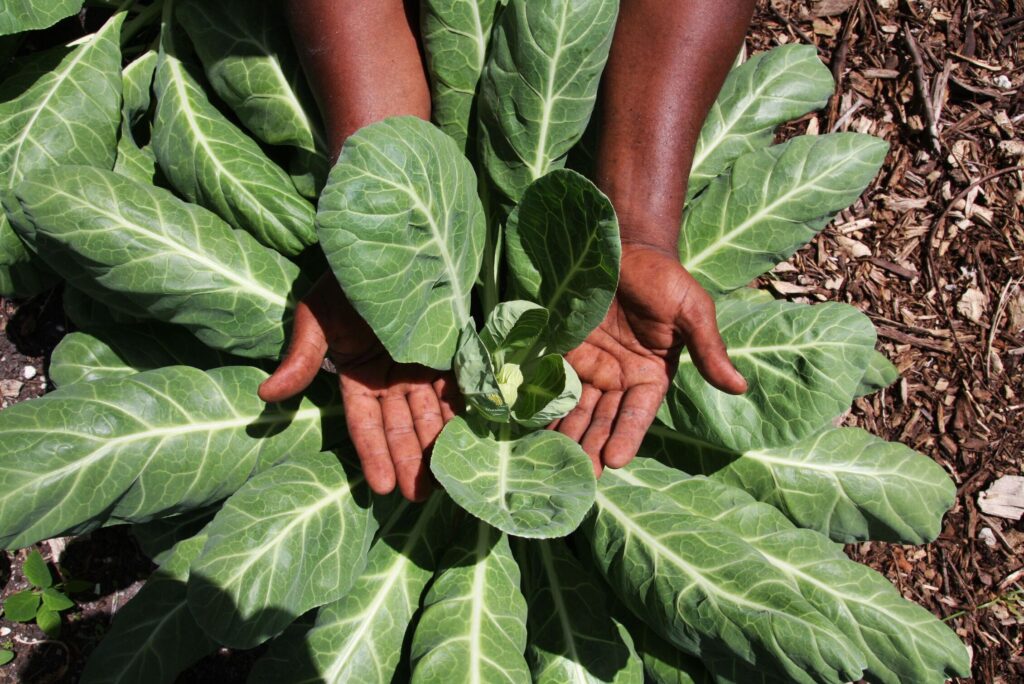
Nutrition does not begin at the dining table. Long before food reaches our plates, it depends on healthy soil, clean water, stable weather, thriving ecosystems, and communities capable of producing and distributing safe food.
This connection makes protecting the environment essential to public health. Environmental damage can reduce crop yields, disrupt fisheries, raise food prices, and limit access to nutritious meals. By contrast, sustainable practices can strengthen food security and help Filipino families build healthier diets.
Here are seven practical ways environmental protection supports better nutrition and healthier communities.
1. Healthy Soil Produces Nutritious Food
Healthy soil provides crops with the water and nutrients they need to grow. It also supports organisms that recycle nutrients and improve soil structure.
Deforestation, erosion, excessive chemical use, and poor waste disposal can degrade farmland over time. Farmers can protect the soil through composting, crop rotation, cover crops, and responsible land management. These practices support long-term food production while reducing dependence on harmful inputs.
2. Clean Water Keeps Food Safe
Water is essential for growing crops, raising animals, preparing meals, and maintaining proper hygiene. When rivers, wells, and coastal areas become contaminated, communities face greater risks of waterborne illness and unsafe food.
Protecting watersheds, reducing plastic pollution, and treating wastewater properly can safeguard drinking water and agricultural supplies. Clean water also helps families wash produce, cook safely, and prevent diseases that interfere with the body’s ability to absorb nutrients.
3. Biodiversity Creates More Diverse Diets
Biodiversity includes the plants, animals, insects, and microorganisms that keep food systems functioning. Pollinators help many fruits and vegetables grow, while forests, wetlands, and marine habitats provide food and livelihoods.
Protecting native crops and local species gives communities access to a wider variety of foods. A diverse food supply can make it easier to consume balanced meals containing carbohydrates, protein, fiber, vitamins, and minerals.
4. Climate Action Protects Food Security
Extreme heat, stronger storms, floods, droughts, and changing rainfall patterns can damage farms and interrupt food distribution. These disruptions may reduce availability and cause prices to rise, making nutritious food harder to afford.
Climate-resilient agriculture, renewable energy, reforestation, and disaster preparedness can help communities manage these risks. Supporting these measures protects both food producers and consumers, especially households already vulnerable to hunger and malnutrition.
5. Sustainable Fisheries Preserve a Vital Food Source
Fish is an important source of protein and essential nutrients for many Filipino families. However, overfishing, destructive fishing practices, plastic pollution, and habitat loss threaten marine food supplies.
Marine protected areas, responsible fishing limits, mangrove restoration, and proper waste management can help fish populations recover. Sustainable seafood choices also encourage practices that protect coastal ecosystems and the livelihoods that depend on them.
6. Reducing Food Waste Makes Nutrition More Accessible
Food waste consumes land, water, energy, labor, and money without providing nourishment. When edible food is discarded, its environmental cost is wasted as well.
Families can reduce waste by planning meals, storing food correctly, serving suitable portions, and using leftovers creatively. Businesses and institutions can improve inventory systems and redirect safe surplus food. Composting unavoidable scraps can return nutrients to the soil instead of sending organic waste to landfills.
7. Greener Communities Encourage Healthier Living
Environmental health also shapes daily habits. Safe parks, walkable streets, community gardens, clean markets, and reliable public transportation can make healthy choices easier.
Urban gardens can provide fresh produce, strengthen social connections, and teach children where food comes from. Trees and green spaces can reduce heat and create safer areas for physical activity. These improvements support nutrition alongside mental and physical well-being.
Practical Actions for Filipino Families
Protecting the environment does not always require a major lifestyle change. Small, consistent actions can create meaningful results:
- Choose local and seasonal food when practical to support nearby producers and reduce transportation demands.
- Eat a varied diet that includes vegetables, fruits, whole grains, legumes, fish, and other nutrient-rich foods.
- Prevent food waste by checking supplies before shopping and preparing only what the household can consume.
- Use reusable items and dispose of waste properly to keep plastics and chemicals out of waterways.
- Support responsible producers that protect soil, water, forests, and marine habitats.
- Join local activities such as cleanups, community gardens, tree planting, and nutrition education programs.
Final Thoughts
Good nutrition is not only about what is on the plate. It is also about how food is grown, harvested, transported, sold, and protected from environmental threats.
As the Philippines gears towards a healthier future, the message is clear: protecting the environment helps keep nutritious food available for everyone, now and in the future. By reducing waste, conserving natural resources, and supporting sustainable food systems, Filipino communities can pursue both a healthier population and a more resilient country. Environmental protection is not separate from nutrition – it is one of its foundations.