
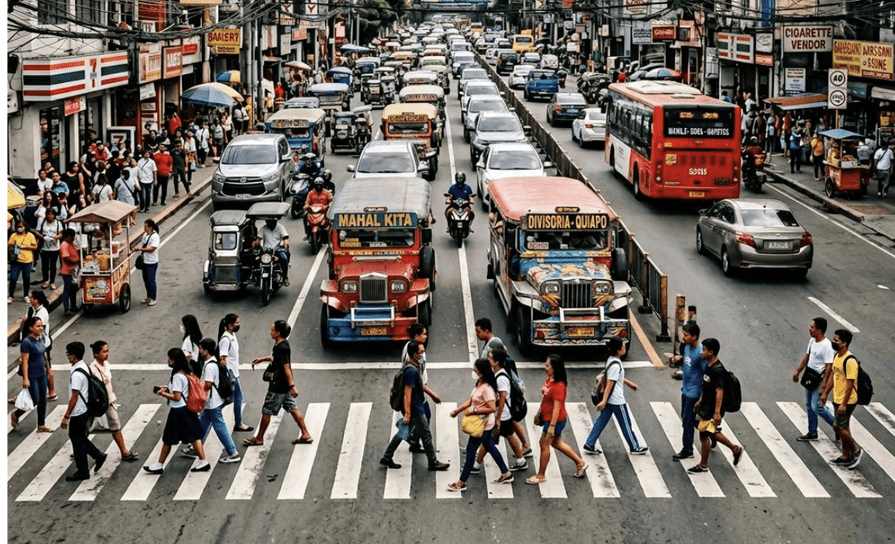
Life in Philippine cities is constantly changing. New businesses open, neighborhoods evolve, and people move from one place to another in search of opportunities.
For many Filipinos, urban living is a daily experience of movement and adjustment. It involves long commutes, busy work schedules, crowded public spaces, and moments of connection found in unexpected places.
The Daily Rhythm of the Filipino City
A typical day in the city often begins early. Workers and students make their way through busy roads and public transportation systems, while small businesses prepare for another day.
The rhythm can be exhausting, but it is also part of what makes urban life dynamic. Every day brings different encounters—from familiar vendors and neighbors to new cafés, shops, and creative spaces.
Finding Community in Busy Neighborhoods
Despite the fast pace of city life, communities continue to play an important role.
Neighborhood markets, small restaurants, sari-sari stores, parks, and local establishments can become gathering places where residents interact and build relationships.
These spaces create a sense of familiarity in an environment that can otherwise feel overwhelming. Even in a large city, people can find comfort in places where they know the faces and routines.
The Growth of Local Businesses
One of the most visible changes in Philippine cities is the growth of small and independent businesses.
From coffee shops and food stalls to creative studios and online-based businesses, entrepreneurs are finding new ways to serve modern urban consumers.
Many of these businesses are also becoming part of the identity of their neighborhoods. A small café, weekend market, or local restaurant can attract visitors while creating opportunities for residents.
The City as a Creative Space
Cities also provide opportunities for creative expression. Artists, photographers, musicians, designers, and content creators often find inspiration in urban environments.
Street scenes, architecture, public transportation, local communities, and everyday encounters can all become subjects for creative work.
This has contributed to a growing culture of independent storytelling, where Filipinos document their own experiences and perspectives through photography, video, writing, and social media.
Making Space for Leisure
With demanding work schedules, finding time to rest has become an important part of modern city living.
Filipinos are discovering different ways to slow down—from visiting parks and museums to exploring cafés, attending local events, or simply spending time with friends.
Weekend activities can also become a way to rediscover one’s own city. Exploring a new neighborhood or supporting a local business can turn an ordinary weekend into a small adventure.
The Challenge of Urban Living
Of course, city life also comes with challenges. Traffic congestion, rising living costs, limited space, and long working hours can affect the quality of everyday life.
These realities have encouraged conversations about better urban planning, accessible public transportation, sustainable communities, and more livable cities.
As Philippine cities continue to grow, creating urban spaces that work for both residents and businesses will remain important.
Creating a Sense of Home
Despite the challenges, people continue to build lives and communities in cities across the Philippines.
A sense of home does not always depend on the size of a house or the location of a neighborhood. Sometimes, it comes from the people we meet, the places we return to, and the routines that make a city feel familiar.
Final Thoughts
Modern Filipino city life is a combination of movement, opportunity, creativity, and community. While urban living can be challenging, it also offers countless ways for people to discover new experiences and build meaningful connections. From small neighborhood businesses to creative spaces and everyday encounters, the story of Philippine cities is ultimately shaped by the people who live in them.