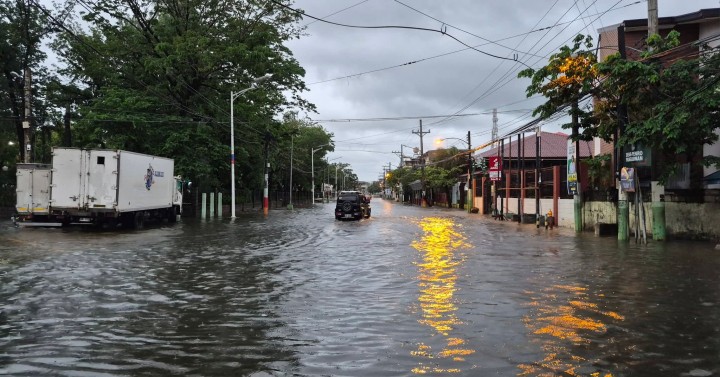
Rainy days are a familiar part of life in the Philippines. But for communities located in low-lying or flood-prone areas, heavy rainfall can quickly affect almost every part of daily life.
Commuters may face delays. Small businesses may temporarily close. Families may need to move appliances and important belongings to higher areas. Students can find themselves unable to attend classes.
Flooding is therefore not simply a weather issue—it is also a city-life issue.
Flooding Affects More Than Roads
When floodwaters rise, transportation is often one of the first visible disruptions.
But the effects can extend to businesses, public services, household income, and access to food and essential supplies.
Government monitoring shows that flooding continues to affect different parts of the country. DSWD’s 2026 disaster reports, for example, document flooding incidents in areas including Bulacan, Davao del Sur and other provinces.
In Hagonoy, Bulacan, flooding in April 2026 affected low-lying and coastal communities, with high tide and thunderstorms contributing to flooding conditions.
Preparedness Is Becoming Part of Everyday Life
For residents in flood-prone communities, preparedness can involve simple but important routines.
Families may monitor weather advisories, prepare emergency bags, keep important documents protected from water, and identify evacuation routes.
For businesses, preparation may include raising electrical equipment, protecting inventory, and creating backup plans for operations.
The Philippine Atmospheric, Geophysical and Astronomical Services Administration provides flood monitoring and weather information that communities can use when planning around severe weather.
Building More Resilient Communities
Long-term adaptation requires more than individual preparation.
Infrastructure, drainage systems, flood-control measures, evacuation centers, and livelihood programs can help communities become more resilient.
In Quezon Province, DSWD announced ₱790 million in grants for a five-year climate resilience project involving 13 municipalities. Proposed community projects include flood-control systems, irrigation, evacuation centers, coastal protection and livelihood-related infrastructure.
This highlights an important point: resilience is not only about responding to disasters after they happen. It is also about preparing communities before the next major rainfall event.
Bayanihan Still Matters
Technology and infrastructure are important, but community cooperation remains one of the strongest forms of resilience.
During flooding, neighbors often help one another move belongings, share information, assist vulnerable residents, and provide temporary support.
This spirit of bayanihan remains particularly important in communities where residents experience the same risks together.
Final Thoughts
Filipino cities cannot control when heavy rain arrives, but communities can become better prepared for its effects. From stronger infrastructure to informed residents and coordinated local responses, adapting to flooding requires both government action and community participation. In a country accustomed to rainy seasons, resilience should become part of everyday city planning—not simply an emergency response.