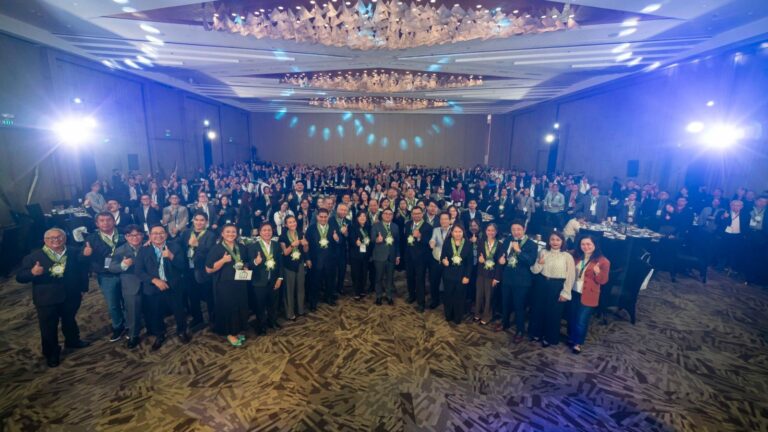
From peer education and mental health initiatives to youth advocacy and community organizing, Filipino young people are already developing responses to issues affecting their communities.
Plan International Pilipinas is calling on incoming Sangguniang Kabataan (SK) and Barangay leaders to build on these youth-led efforts and turn them into sustained local action.
The call comes ahead of the SK and Barangay elections and during this year’s Linggo ng Kabataan.
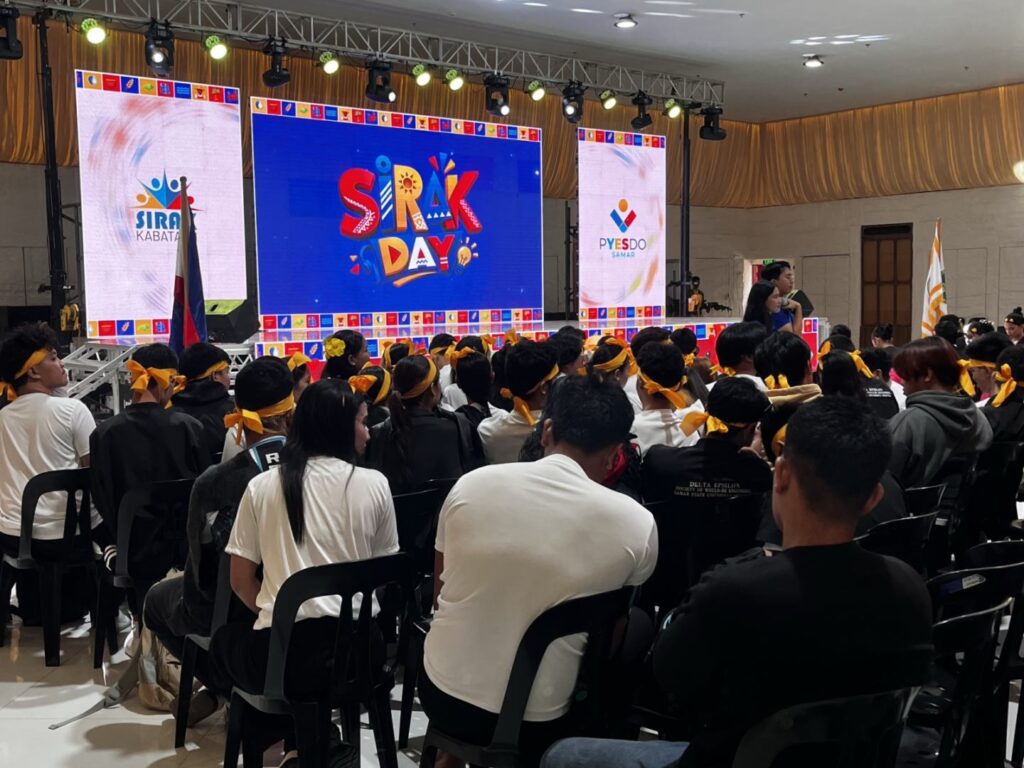
In Samar, an estimated 1,000 youth leaders gathered on August 11 for SIRAK Day, with Department of Education Secretary Sonny Angara joining the celebration of the fifth anniversary of the Sirak Kabataan movement.
For Plan International Pilipinas, such initiatives demonstrate that young people have the capacity to become advocates and community leaders when given the appropriate support and opportunities.
The need is clear.
One in four Filipino adolescents nationwide falls behind academically by age 18. More than 10,600 adolescent mothers were recorded in 2024, with pregnancies rising among girls under 15. Child labor reached over half a million in 2025. Meanwhile, nearly 20% of internet-using children aged 12 to 17 have experienced grave online sexual abuse and exploitation (OSAEC).
The organization facilitated the creation of the Girls’ Agenda to help address these challenges. Developed by 400 girl advocates, the four-point blueprint covers safety, resilience in crisis, health, and education and economic empowerment.
Since 2025, Plan International Pilipinas has reached 2.83 million people, protected over 740,000 individuals through violence prevention programs, and trained more than 14,000 child protection advocates.
“The Girls’ Agenda came directly from young people, mostly girls, who told us where the gaps are,” said Twyla Raros David, Country Program Manager for Gender and Child Rights. “Training incoming SK and Barangay leaders to carry that agenda into their own communities is how we turn those numbers around, one barangay at a time.”
Existing programs show what youth-led solutions can look like.
In Samar, youth advocacy panels and peer educators engage young people in community issues. In Cotabato City, mental health initiatives are being implemented through Plan International Pilipinas’ Global Youth Ambassador program.
The Youth Advisory Panel gives young advocates opportunities to influence community decisions, while Youth Peer Educators and Youth Reporters train high school students in OSAEC, SOGIESC, child rights, mental health, and leadership.
The Girls’ Challenge Grants Group further enables girls from vulnerable communities to develop their own solutions to problems they encounter locally.
These programs are implemented alongside local governments, communities, and schools, helping ensure that youth leadership is connected to existing community structures.
Plan International Pilipinas is now challenging incoming SK and Barangay leaders to take these lessons into local governance by turning the Girls’ Agenda into concrete ordinances and programs.
The effort supports the United Nations’ 2026 International Youth Day theme, “Different Contexts, Common Aspirations,” highlighting the common hopes shared by young people regardless of where they live.
To support Plan International Pilipinas’ programs and help ensure that every girl has the resources to learn, lead, decide, and thrive, visit their official website or email [email protected].