
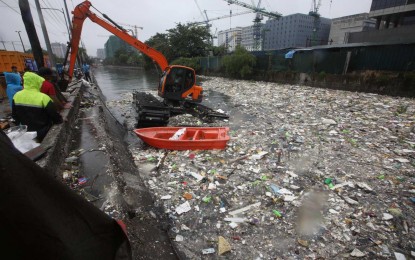
The Philippines is looking at a way to deal with two problems that often end up in the same conversation: too much garbage and the need for more reliable energy.
The Department of Energy (DOE) is stepping up its waste-to-energy program following President Ferdinand Marcos Jr.’s renewed push to turn residual waste into a productive resource. The initiative also comes amid concerns that garbage accumulating in waterways can contribute to flooding in urban areas.
Under the government’s waste-to-energy program, municipal solid waste can be processed using thermal technologies to generate electricity. The idea is to reduce the amount of waste that ends up in landfills while adding another source of power to the country’s energy mix.
Why Waste-to-Energy Is Getting Attention
Garbage management has become an increasingly difficult challenge for many highly urbanized communities. When waste is improperly disposed of, it can clog drainage systems and waterways, making flooding worse during heavy rains.
The DOE has described waste-to-energy as part of the solution to the country’s garbage problem and the flooding experienced by Metro Manila and other urban areas.
The government has also increased the capacity target for its special waste-to-energy auction under the Green Energy Auction Program from 230 megawatts to 400 MW. The higher target is intended to encourage more developers and investment in the sector.
What It Could Mean for the Philippines
If successfully developed, waste-to-energy facilities could provide another source of electricity while helping cities manage some of their municipal waste.
For businesses, the growth of the sector could also create opportunities in engineering, construction, waste management, energy services, and related technologies.
But waste-to-energy is not a replacement for proper waste segregation, recycling or responsible disposal. Turning waste into energy can only address part of the problem. Communities still need effective waste management systems from households all the way to local governments.
The DOE’s renewed push puts waste-to-energy firmly on the country’s energy and environmental agenda. For a country dealing with growing cities, increasing waste and rising energy demand, the challenge now is turning that policy into projects that are both practical and sustainable.
The bigger goal is straightforward: less waste in waterways, more responsible waste management, and another potential source of power for a growing Philippines.